
Root Canal vs Extraction
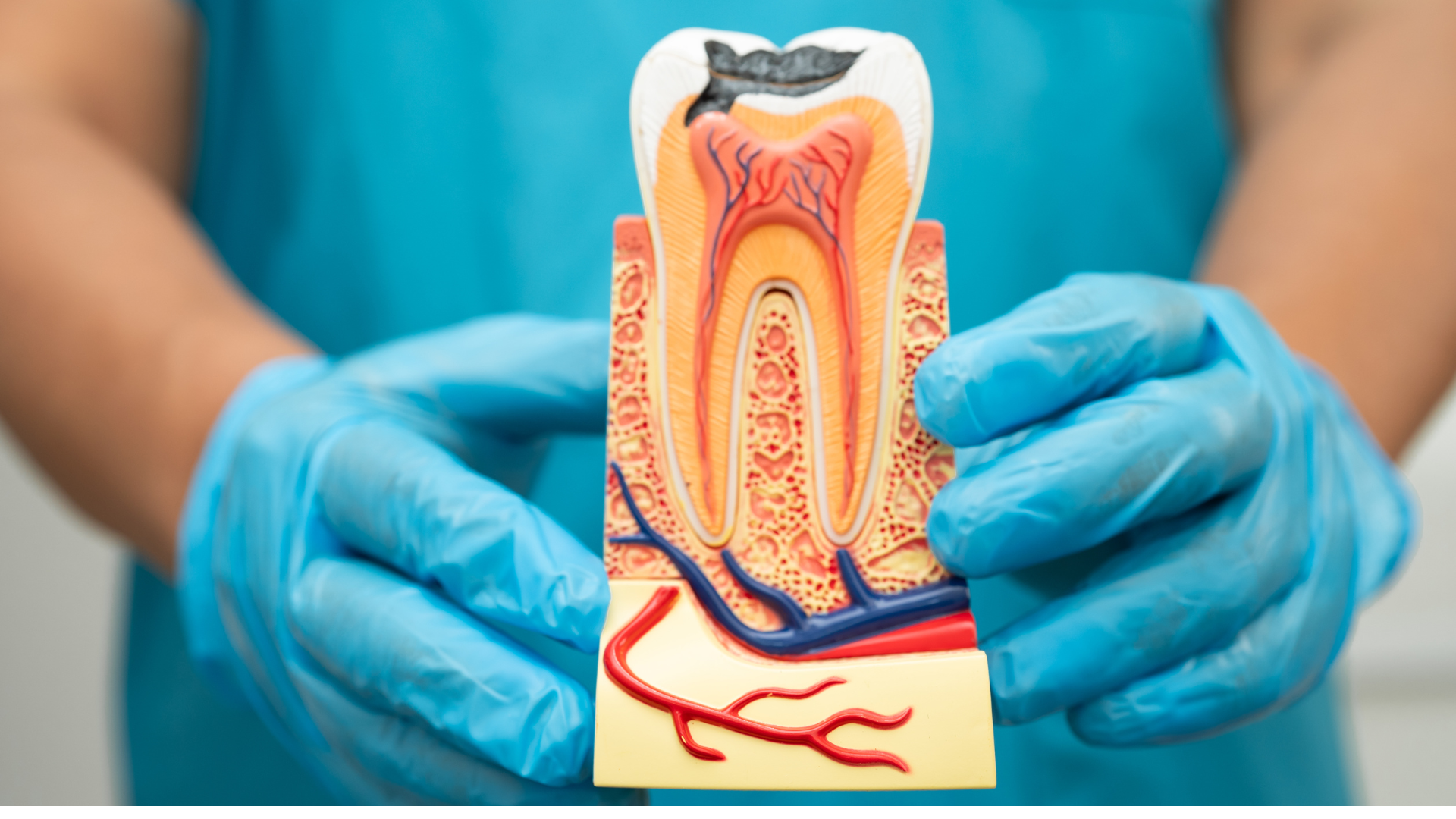
When you are experiencing intense dental pain or a persistent infection, your first instinct is usually to find the quickest path to relief. This typically leads to a significant choice: should you save the natural tooth with a root canal, or is it better to have it extracted? This is a dilemma we see daily, and it’s often made more stressful by outdated horror stories that make the process sound much worse than it actually is. Some patients fear that a root canal will be painful (in reality, modern techniques make it feel very similar to a standard filling), while others assume an extraction is the easy way out, without considering how losing a tooth can negatively impact their bite and the alignment of their remaining teeth.
If the phrase root canal makes you feel uneasy, you aren't alone—but the procedure is actually a highly effective, routine way to save a tooth that would otherwise be lost. Essentially, a root canal acts as a specialised deep-clean for the internal part of the tooth. Once we have made sure the area is completely numb and you are comfortable, we create a small opening to access the pulp—the internal nerves and vessels that have become damaged or infected.
Using precision instruments, we delicately clear away the infected tissue, thoroughly disinfect the internal canals to remove any bacteria, and then seal the space with a biocompatible material to shield the tooth from future problems. Because the procedure removes the infected nerve that was causing the ache, it actually serves to eliminate your pain rather than increase it. After the tooth is healthy, we usually recommend a crown to reinforce it, ensuring it stays strong enough for daily chewing for years to come.
Deciding between a root canal and an extraction usually comes down to whether the tooth’s foundation is still healthy enough to be preserved. We always advocate for a root canal whenever possible because your natural tooth is the best tool for the job. It keeps your bite balanced, prevents your other teeth from shifting out of position, and avoids the need for more complex and costly replacement work in the future.
An extraction is typically our last resort—something we only advise if the tooth is so severely broken or decayed that it can no longer be reliably repaired. While pulling a tooth might provide instant relief, it is important to remember that a missing tooth is the start of a new set of challenges. To prevent bone loss and keep your mouth functional, you will eventually need a replacement. In modern dentistry, a dental implant is the gold standard for this; it is the most durable and lifelike option available, looking and feeling just like a natural tooth.
Ultimately, the choice to save or remove a tooth is one we make together, focusing on what is best for your long-term health and your budget. While a root canal may seem like a bigger step today, it is often the most efficient way to keep your natural smile intact. However, if an extraction is the only clinical solution, we have excellent restorative options like implants to ensure you don't have to live with a gap in your smile.
If you are currently dealing with a toothache, a damaged tooth, or if you have been told you need an extraction and would like a second opinion, please don't wait. The earlier we can assess the damage, the more options we have to provide a conservative, lasting solution.
Don't ignore dental discomfort—get the professional answers you need today. Click here to book your consultation or call our team to schedule an assessment with one of our expert dentists.